


sponsored
Engaging Government in Collective Action
Working with governments to co-create programs and funding strategies can unlock resources far beyond what any single organization can do on its own.

Working with governments to co-create programs and funding strategies can unlock resources far beyond what any single organization can do on its own.

Public health leaders must develop new competencies to guide the systemic change necessary to improve human well-being.

The structures that participants in a collaboration create to work together are critical to its success.

From climate change to national security threats, the problems we face in the world are too big for government to solve alone. Public-private partnerships demonstrate how government can collaborate with the private sector to catalyze and scale innovation.

Every social system has its own unique and self-reinforcing characteristics, practices, and vocabularies. Learning to span these boundaries is a prerequisite for any significant change effort.
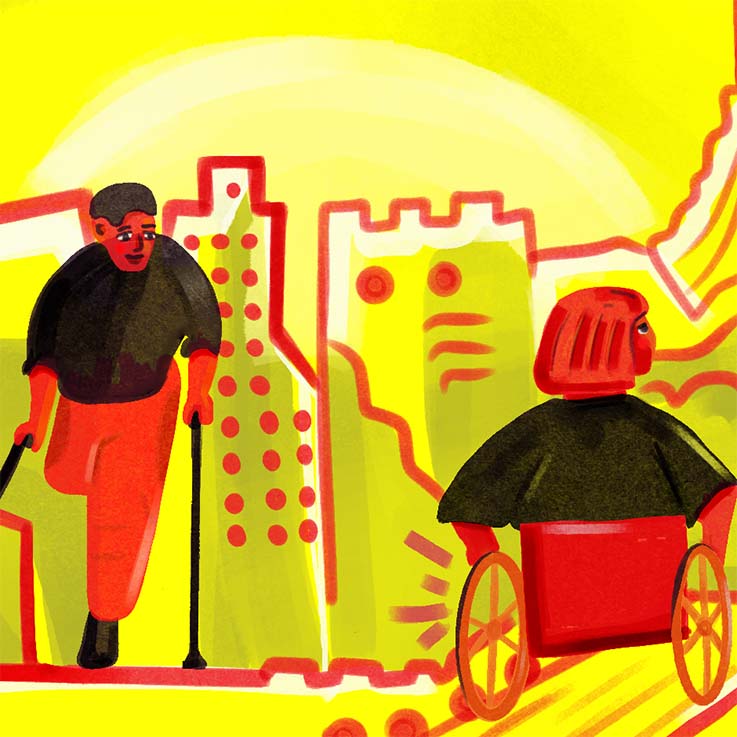
A group of newly launched business and nonprofit coalitions are aiming to advance disability inclusion in a new way.

Startup collaboratives often encounter challenges when converting their motivation to do good into action. We have created a minimum viable benefit process for agenda-setting that can help them start up and stay on track. | Open access to this article is made possible by the Center for Integrative Leadership, University of Minnesota.

A charity and bank are teaming up to ease the rental process for low-income and homeless people in the United Kingdom.

One of India’s largest cities launched the world’s biggest public-private partnership metro rail project to construct essential public transit for its bustling metropolis. Its leaders overcame numerous hurdles by cultivating a stakeholder mindset.

Liquid Asset examines how the public and private sectors can better collaborate on our society’s pressing water problems.